
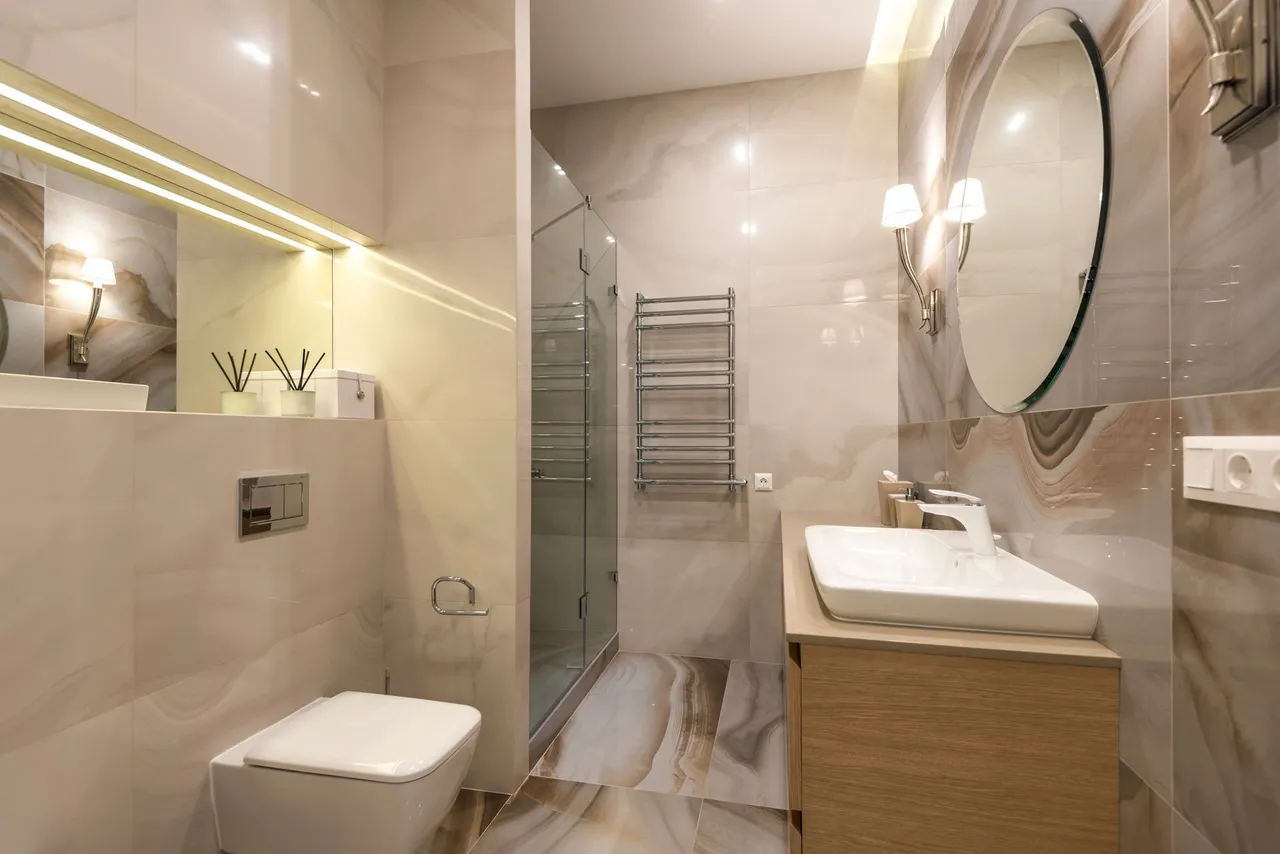
A bathroom renovation timeline needs to be agreed with the proposed provider and suppliers for your project. Ask for separate dates and assumptions for planning, selections, deliveries, site work and handover. The sources used here do not establish a typical Adelaide duration, so this guide explains the schedule questions to ask rather than publishing an unsupported completion estimate.
Why the planning phase takes longer than most people expect
Before agreeing on a start date, ask which product selections, supplier confirmations and trade arrangements need to be complete. Obtain current delivery estimates for the actual items and ask the provider how those dates affect its proposed sequence. An advertised dispatch estimate is not confirmation that an item will be on site when the project needs it.
Before a renovation can proceed, you typically need:
- A confirmed scope of work with a written contract that clearly separates fixed-price items from provisional sums or prime cost allowances. The SA Government notes that building contract documentation can distinguish prime cost items and provisional sums, so it is worth asking your contractor to explain any allowance figures before you sign.
- Building or development approval where required. Depending on the scope, this may add weeks to the front end. Your contractor or a building certifier can advise whether your planned work triggers an approval pathway.
- Delivery confirmation for all long-lead items before demolition is booked.
If you are still weighing up design options at the point of signing, build a formal selections deadline into the contract to prevent delays cascading through the trade schedule.
Selections before work begins
Selections refer to every product that will be installed: tiles, grout colour, vanity, basin, toilet suite, shower screen, tapware, accessories, exhaust fan and any lighting or heated towel rail. Locking these in before demolition day matters for two reasons.
First, trades sequence their work around specific products. A tiler needs to know the exact tile size and format to calculate cuts and set out the room correctly. A plumber needs to know the rough-in dimensions of the chosen toilet suite and basin before first-fix plumbing is complete.
Second, substitutions mid-project often cost more than the original item because they may require rework. A hypothetical scenario: imagine a homeowner who swaps a surface-mounted shower niche for a recessed one after waterproofing is complete. The waterproofing membrane must be cut back, the niche framed, the membrane reapplied and re-inspected — adding days and cost to what seemed like a simple change.
See the bathroom renovation checklist for a full selections list to work through before engaging a contractor.
The typical trade sequence on site
Once demolition is complete, trades move through a broadly predictable order. Skipping steps or overlapping incompatible trades is a common source of defects and re-work.
- Demolition and strip-out — removal of existing fixtures, tiles and substrate. This is also the point at which any unexpected discoveries (old waterproofing failures, timber rot, concealed services) add unplanned time.
- Framing or structural repairs — if walls, floors or the ceiling need alteration or reinforcement.
- First-fix plumbing and electrical — rough-in work inside the wall and floor cavities before they are sealed. Plumbing work in South Australia must be performed by an appropriately licensed plumber. CBS also advises that major bathroom renovation projects generally require a builder with a licence permitting project coordination — a useful thing to verify before engaging anyone.
- Waterproofing — applied to wet area substrates and required to cure for a specified period before tiling proceeds. This curing window is non-negotiable and cannot be compressed safely.
- Tiling — including adhesive cure time before grouting.
- Second-fix plumbing and electrical — installation of fixtures, fittings, switches and lights once tiled surfaces are complete.
- Fit-off and finishing — vanity, mirror, accessories, shower screen, door hardware, siliconing and touch-ups.
- Final inspection — plumbing and electrical sign-off as required.
Each stage has a handover point, and trades are often booked weeks in advance. If one trade finishes late, the next booking may need to be pushed out rather than simply moved forward by a day.
Older homes and asbestos assessment
In Adelaide, many homes built before the mid-1980s contain materials that may include asbestos-containing compounds in wall sheeting, floor adhesives or ceiling textures. Bathroom and laundry materials in older homes may require professional assessment before any renovation disturbance. Visual appearance alone is not a safe determination. If your home falls into this age range, factor assessment into the pre-demolition phase rather than discovering it on the day. An asbestos assessor’s findings may affect which trades can proceed and in what order.
Ventilation and exhaust planning during the renovation
Bathroom exhaust fans are frequently an afterthought, but they should be specified during the selections phase because they affect electrical rough-in. Australian Government guidance on moisture management notes that bathroom exhaust should discharge outdoors rather than into a roof void. Confirming the discharge path early — particularly in older homes where roof space or external wall access may be constrained — prevents rework after tiling is complete.
Planning for temporary bathroom access
For a household with a single bathroom, the works period is genuinely disruptive. Ask the provider to identify the actual dates when each toilet and shower will be unavailable, any temporary arrangements and the conditions for returning them to use.
Options worth discussing with your contractor before work starts:
- Phased handover — in some layouts it is possible to retain toilet access while wet areas are under construction, though this is not always feasible.
- Portable toilet hire — practical for the demolition and rough-in phases.
- Gym or pool membership — for showering, particularly during the tiling and waterproofing cure period.
- Staying elsewhere — if the home has only one bathroom and the project is a full gut-and-replace, booking alternative accommodation for the most disruptive two weeks is worth costing.
If your project includes an ensuite as well as a main bathroom, consider whether staggering the two renovations allows one to remain operational. See the Ensuite Renovations service page for more on scope differences.
Getting a timeline-aware quote
A quote that only lists materials and labour without reference to programme, trade sequencing or selections deadlines is harder to hold a contractor to. When comparing quotes, look for:
- Projected start and practical completion dates
- Identified lead-time items (long-lead tiles, imported tapware, custom vanities)
- Provisional sum explanations where exact costs are not yet known
- Clarity on who coordinates trades — particularly relevant for projects involving a builder, plumber and electrician separately
The SA Government recommends verifying whether a proposed contractor holds the appropriate licence for the specific scope of work. You can check licensing through the Consumer and Business Services portal.
For broader cost context see the bathroom renovation cost guide, and for help reading and comparing documents see how to compare bathroom quotes. If layout changes are part of your plan, the small bathroom layout planning guide covers configuration decisions that directly affect trade complexity and therefore timeline.
When you are ready to move forward, request a project enquiry to be connected with a renovation contractor in Adelaide.
Further reading
- SA Government — Choosing a building professional
- Consumer and Business Services — Always use a licensed plumber
- SA Government — Builder responsibilities
- Asbestos SA — Find and identify asbestos in the home
- Australian Government YourHome — Condensation
Discuss your project
This guide helps prepare questions; it is not a site assessment, design specification or professional approval. Read about bathroom renovations in adelaide before making a project enquiry.