
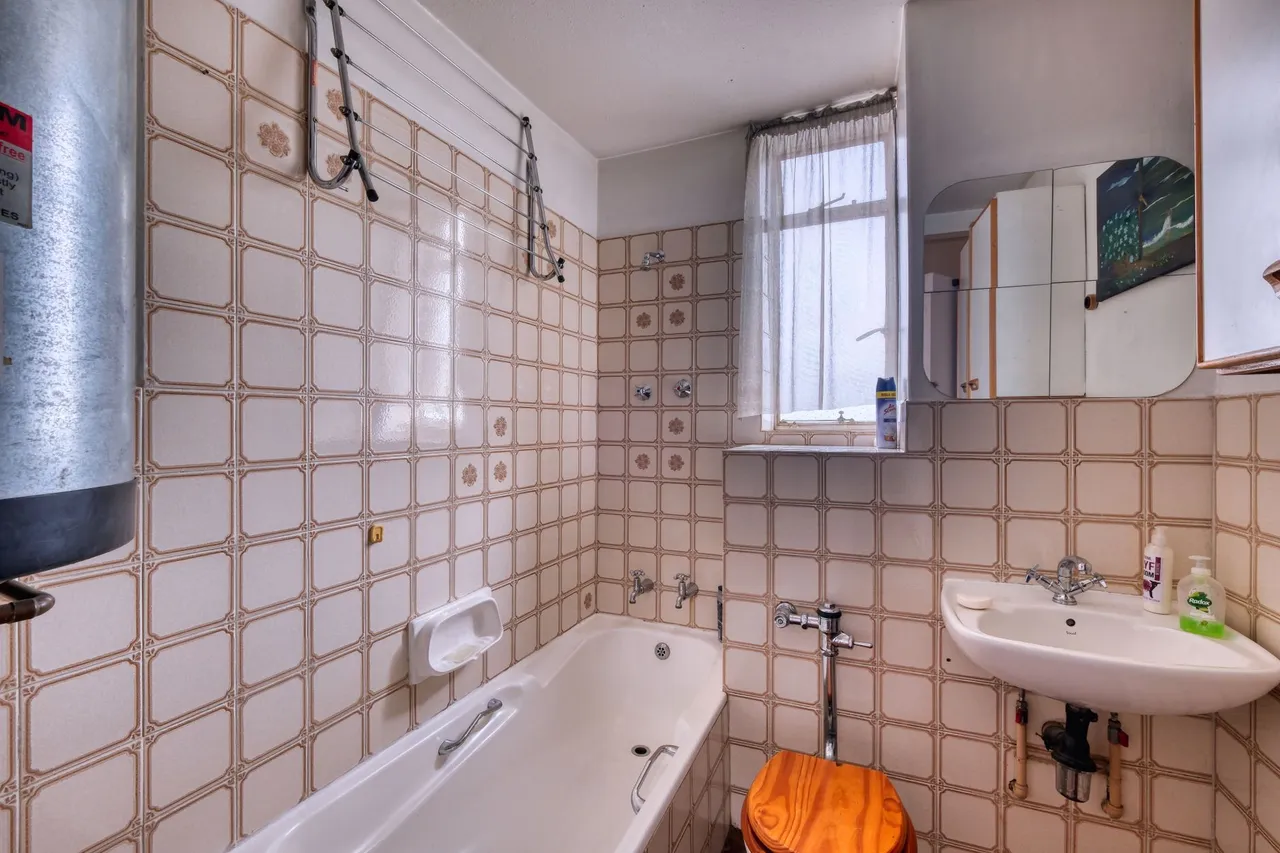
Why older bathrooms need a different approach
Renovating an old bathroom is different from updating a relatively modern one. Behind the tiles and vanity of a home built several decades ago, you are likely to find plumbing that predates current standards, wall linings that may contain materials now considered hazardous, waterproofing that was never applied or has long since failed, and structural framing that has absorbed years of moisture. Understanding these realities before work begins helps you have more productive conversations with contractors and reduces the chance of budget and timeline surprises.
An old bathroom renovation in Adelaide often involves homes from the 1950s through the 1980s—a period when building practices, materials and trade regulations looked very different from today. The sections below walk through the most practically useful things to know before and during the process.
Concealed-condition questions every homeowner should ask
The single most important concept in an older-home bathroom renovation is the concealed condition—a problem that neither you nor a quoting contractor can see until demolition begins. Common examples include:
- Rotted or wet framing behind shower walls that showed no outward sign of damage
- Failing or absent waterproofing membrane beneath floor tiles, allowing moisture to reach the substrate over many years
- Lead or galvanised steel pipework that is corroded internally or undersized by current standards
- Electrical wiring run in ways that would not meet current requirements, including inadequate earthing or missing safety switches
- Wall and ceiling linings that require assessment before they are cut or drilled
Before any older-home bathroom project, ask a potential contractor specifically how they handle concealed conditions—not just whether they handle them, but what their process is for communicating findings to you during demolition.
Asbestos assessment before you start
Homes built before the mid-1980s, and some built into the early 1990s, may contain materials that require professional assessment before renovation work disturbs them. Bathroom and laundry areas are particularly relevant because flat compressed-fibre sheeting was widely used as a wall and ceiling lining product. Visual appearance alone is not a safe or reliable way to determine whether a material contains asbestos—the South Australian asbestos guidance is clear that assessment by a qualified professional is the appropriate step before disturbance.
If a contractor dismisses this question or suggests it is unnecessary for a bathroom of that era, that is worth noting. Raising it early—before quotes are finalised—means any required assessment and safe removal can be scoped into the project rather than surfacing as an unplanned cost mid-demolition.
What a thorough pre-quote assessment looks like
A contractor quoting on an older bathroom should ask questions and ideally inspect conditions that go beyond surface measurements. Useful indicators of a thorough pre-quote process include:
- Asking about the age of the home and any known history of leaks or prior repairs
- Checking whether the existing exhaust fan discharges to the outside or terminates in the ceiling cavity (recirculating into the roof is a moisture management problem)
- Noting the type of wall and floor linings and flagging where assessment may be needed
- Identifying the location of the existing waste and water supply points and discussing what is and is not easily relocated
- Explaining how the quote handles unknown conditions—specifically the difference between fixed-price items and provisional sums
Under building contract documentation conventions in South Australia, provisional sums and prime cost items represent estimates for work where the full scope or final product selection is not yet confirmed. Understanding which parts of your quote fall into these categories—and asking for plain-language explanations of any unclear terms—is something the SA Government’s guidance on building contracts specifically encourages consumers to do. If terms in a proposed contract are unclear, ask for an explanation in writing before signing.
Ventilation and moisture management in older bathrooms
Older bathrooms were often built with limited or no mechanical ventilation. When you renovate, addressing ventilation properly is not just about compliance—it is about protecting the new work you are investing in. Condensation forms when warm, moisture-laden air meets a cooler surface, and bathrooms generate significant moisture with every shower. Where exhaust ventilation discharges into the ceiling cavity rather than outdoors, that moisture migrates into the roof space. Ensuring the exhaust fan selected for a renovation discharges to the outside is a basic requirement, but the routing and installation are decisions for a licensed tradesperson.
When reviewing a renovation scope, ask specifically where the exhaust will terminate and confirm it is included in the contractor’s electrical and carpentry scope, not assumed to be an existing condition that is acceptable.
Licensing and coordination for bathroom renovation work
A bathroom renovation typically involves at minimum plumbing and tiling, and usually also electrical work, waterproofing and potentially structural assessment. Consumer and Business Services South Australia advises that major bathroom renovation projects require a builder who holds a licence appropriate for coordinating that scope of work, and that all plumbing must be carried out by an appropriately licensed plumber.
You can check whether a builder is licensed for the particular work you are planning and ask them to explain any contract terms you do not understand. The SA Government’s guidance on choosing a building professional is a useful starting point for understanding what questions to raise. This website is a lead-referral service, not the contractor—verifying licences and asking these questions remains your responsibility as the consumer engaging a trade professional directly.
Understanding the variation process
Variations are formal changes to a building contract’s agreed scope, usually because something unexpected was found or because you have changed your mind about a product or finish. In an older-home renovation, variations triggered by concealed conditions are genuinely common—not a sign that something has gone wrong with the contractor, but a predictable consequence of renovating buildings where information is hidden behind fixed linings.
A useful hypothetical scenario: imagine demolition reveals that the original shower recess framing has absorbed moisture and cannot support new wall linings without partial replacement. This work was not visible at quote stage and falls outside the original scope. A contractor with a clear variation process will stop work, document the finding with photographs, provide a written cost estimate for the additional work, and ask for your written approval before proceeding. Contrast this with a contractor who simply proceeds and adds items to a final invoice—that approach gives you no opportunity to make an informed decision.
Before signing a contract, ask the contractor to walk you through how variations are communicated and approved. The answers reveal as much about how a job will be managed as any price does.
Planning your budget for the unexpected
Because concealed conditions are genuinely unpredictable, experienced tradespeople commonly suggest that homeowners hold a contingency amount separate from the quoted price when renovating an older home. The appropriate proportion depends on the age and condition of the home and the scope of work—your contractor is better placed than any general guide to advise what is realistic for your specific project.
For further context on how bathroom renovation costs are structured, the Bathroom renovation cost guide covers the main cost components in detail. If you are comparing quotes from multiple contractors, the How to compare bathroom quotes guide explains what to look for beyond the bottom-line figure.
If you are ready to connect with a contractor experienced in older-home bathroom work, request a project enquiry through our Bathroom Renovations service page.
Further reading and sources
- SA Government – Choosing a building professional: https://www.sa.gov.au/topics/housing/buying-building-selling/building-a-home/choosing-a-building-professional
- Consumer and Business Services SA – Always use a licensed plumber: https://www.cbs.sa.gov.au/campaigns/always-use-a-licensed-plumber
- SA Government – Builder responsibilities: https://www.sa.gov.au/topics/business-and-trade/building-industry/planning-professionals/builder-responsibilities
- Asbestos SA – Find and identify asbestos in the home: https://asbestos.sa.gov.au/in-your-home/asbestos-in-your-home/find-and-identify-asbestos-in-the-home
- Australian Government YourHome – Condensation: https://www.yourhome.gov.au/passive-design/condensation
Discuss your project
This guide helps prepare questions; it is not a site assessment, design specification or professional approval. Read about bathroom renovations in adelaide before making a project enquiry.