
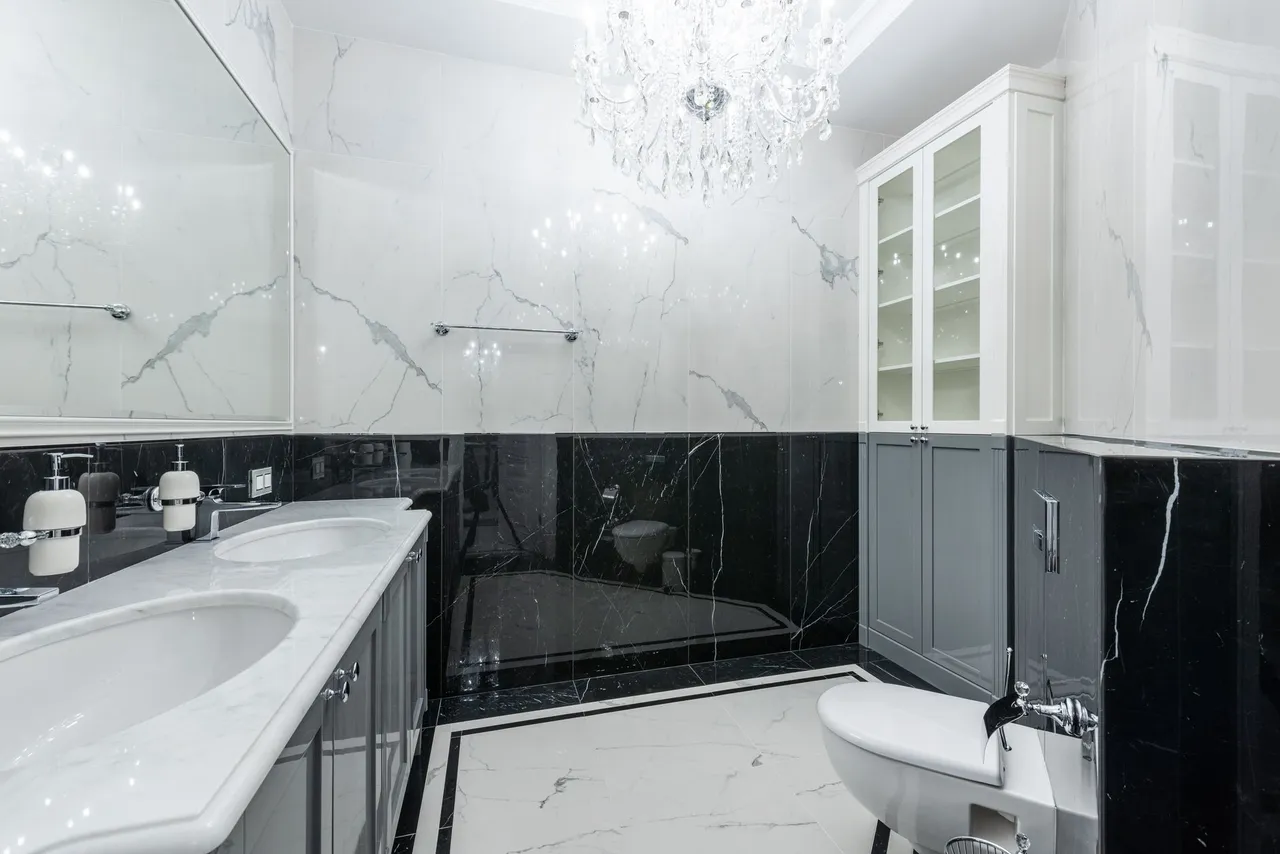
Why fixture selection deserves its own planning stage
Choosing bathroom fixtures before you have a confirmed scope, confirmed trades and a signed contract is one of the most common reasons Adelaide bathroom renovations stall or blow their budgets. A fixture selection checklist gives you a structured way to move through decisions in the right order—so your choices drive the design rather than creating expensive conflicts later. Work through the categories below before committing to any single product.
Start with the fixed points: plumbing and drainage locations
Every fixture decision flows from where your existing waste, supply and drainage lines sit. Moving a floor waste, shifting a toilet rough-in or relocating a shower drain position is possible, but each change adds labour, materials and time. Before you fall in love with a freestanding bath in a corner configuration, confirm with a licensed plumber whether the floor structure permits the drainage run that position requires.
In South Australia, plumbing work must be carried out by an appropriately licensed plumber, and major bathroom or kitchen renovation projects typically require a builder whose licence permits project coordination—not just a trades-only arrangement. Knowing this upfront shapes who you need on your team before products are ordered. See the Consumer and Business Services guidance on licensed plumbing for context on what to check.
Your checklist items here:
- Confirm existing waste and supply locations in writing before finalising basin, toilet or shower positions.
- Ask your plumber which fixture configurations require additional drainage work.
- Note any floor height constraints that limit concealed-cistern or floor-mounted toilet options.
Product compatibility: the detail most checklists skip
Fixtures that look cohesive in a showroom can be mechanically incompatible in your specific bathroom. Compatibility issues to investigate include:
Water pressure requirements. Some tapware and shower systems require a minimum dynamic pressure to function correctly. If your Adelaide property runs on lower mains pressure or has an older gravity-fed hot water system, certain thermostatic shower valves or high-flow rain heads may not perform as expected. Ask the supplier for the product’s minimum operating pressure and check that against your actual supply—your plumber can measure this.
Rough-in dimensions. Wall-hung toilets, in-wall cisterns and wall-hung vanities all have specific rough-in measurements that must match your wall framing and cavity depth. A cistern that requires a deeper wall cavity than your framing allows is not a minor problem.
Drain compatibility with tiles. The fall required for a linear drain differs from a central floor waste. The tile size you choose affects how easily tilers can achieve the required fall without cutting. Run your tile selection and drain type past your tiler before ordering either.
Finish durability in wet zones. Not all ‘matching’ finishes from different manufacturers are identical. A brushed nickel tapware set and a brushed nickel towel rail from different brands will often show visible variation in real light. Where possible, source a finish family from one manufacturer if consistency is a priority.
Always view actual samples—not just digital images
Showroom photography and website renders are professionally lit to sell product. The grout colour, tile texture and tapware finish in your bathroom will read quite differently under your actual lighting conditions.
Practical steps:
- Request physical tile samples large enough to see the pattern repeat, not just a small chip.
- Take samples home and view them in your bathroom at different times of day, including under artificial light.
- Ask suppliers whether a display model of the exact shower system or bath is available to inspect before ordering.
- For vanities and cabinets, open doors and drawers on a floor model to assess hinges, soft-close mechanisms and drawer depth.
A hypothetical scenario worth considering: imagine you have selected a large-format tile online based on a render, only to discover on delivery that the veining pattern is far more prominent than expected. The pattern repeat across five tiles creates a visual weight that feels wrong in a small ensuite. Viewing a sample board with at least two or three tiles laid together would have revealed this before the order was placed. This is a common scenario described by bathroom tradespeople, not a specific customer account.
Understanding lead times before you lock in a renovation start date
In Adelaide, imported tapware, custom vanity cabinetry and certain tile ranges regularly carry lead times of several weeks or longer. If your renovation is scheduled to start before products arrive, your tradesperson will either need to pause work or proceed with what is on-site—neither outcome is ideal.
Checklist for lead time management:
- Ask every supplier for a confirmed lead time in writing at the time of order, not at the time of enquiry.
- Build a simple matrix: product name, supplier, lead time, order date, expected delivery date.
- Identify which items are on the critical path—tiles and waterproofing must be on-site before tiling begins; tapware and mirrors can arrive later.
- Confirm whether the product is in local stock or is a special order. Special orders may be non-returnable.
- Check whether your contract distinguishes between prime cost items (allowances for fixtures you select) and provisional sums, so you understand how price variations are handled. Building contract documentation can legitimately separate these categories, and you are entitled to a clear written explanation of any allowance. See SA Government guidance on builder responsibilities for context on reading contract documents.
See also: Bathroom renovation timelines for a broader view of sequencing.
Ventilation and moisture: a selection factor that often gets ignored
Exhaust fan selection is a fixture decision, not just a trades decision. Bathroom exhaust must discharge air to the outdoors rather than into a ceiling cavity, because moisture released into a roof space causes condensation on cooler surfaces and can damage building materials over time. The placement and duct routing of your exhaust fan may be constrained by existing ceiling framing or roof structure.
When selecting an exhaust unit, discuss with your electrician and builder whether the proposed duct path can physically reach an external outlet and whether the unit’s specifications are appropriate for your room volume. Your trades make the compliance decision; your job at the selection stage is to include exhaust in the fixture list rather than adding it as an afterthought.
Older homes: one more check before you commit to a scope
If your home is older, bathroom and laundry walls and ceilings may contain materials that require professional assessment before any renovation disturbance begins. Visual appearance alone is not a reliable way to identify whether asbestos-containing materials are present. The SA Government asbestos identification guidance explains that professional assessment is the appropriate step before disturbance—not DIY identification. Raise this with your builder or renovation coordinator early so any required assessment is factored into the project timeline.
Verify your contractor before you sign
Once your fixture list is confirmed, your scope is clear and your budget is documented, the final step before signing is verifying that the person doing the work holds the appropriate licence for it. South Australian consumers can check whether a builder holds the relevant licence and ask for explanations of any contract terms that are unclear. This is your right as a consumer, and a reputable contractor will not object. See the SA Government guidance on choosing a building professional for practical direction on that process.
For guidance on what a detailed quote should include and how to compare competing quotes, see How to compare bathroom quotes. If you are working with a constrained space, Small bathroom layout planning covers how layout decisions interact with fixture choices. When you are ready to understand the full cost picture, Bathroom renovation cost provides useful context.
If you are ready to connect with a bathroom renovation professional in Adelaide, you can request a project enquiry through this site. Related services also covered include ensuite renovations and laundry renovations.
Further reading
Discuss your project
This guide helps prepare questions; it is not a site assessment, design specification or professional approval. Read about bathroom renovations in adelaide before making a project enquiry.