
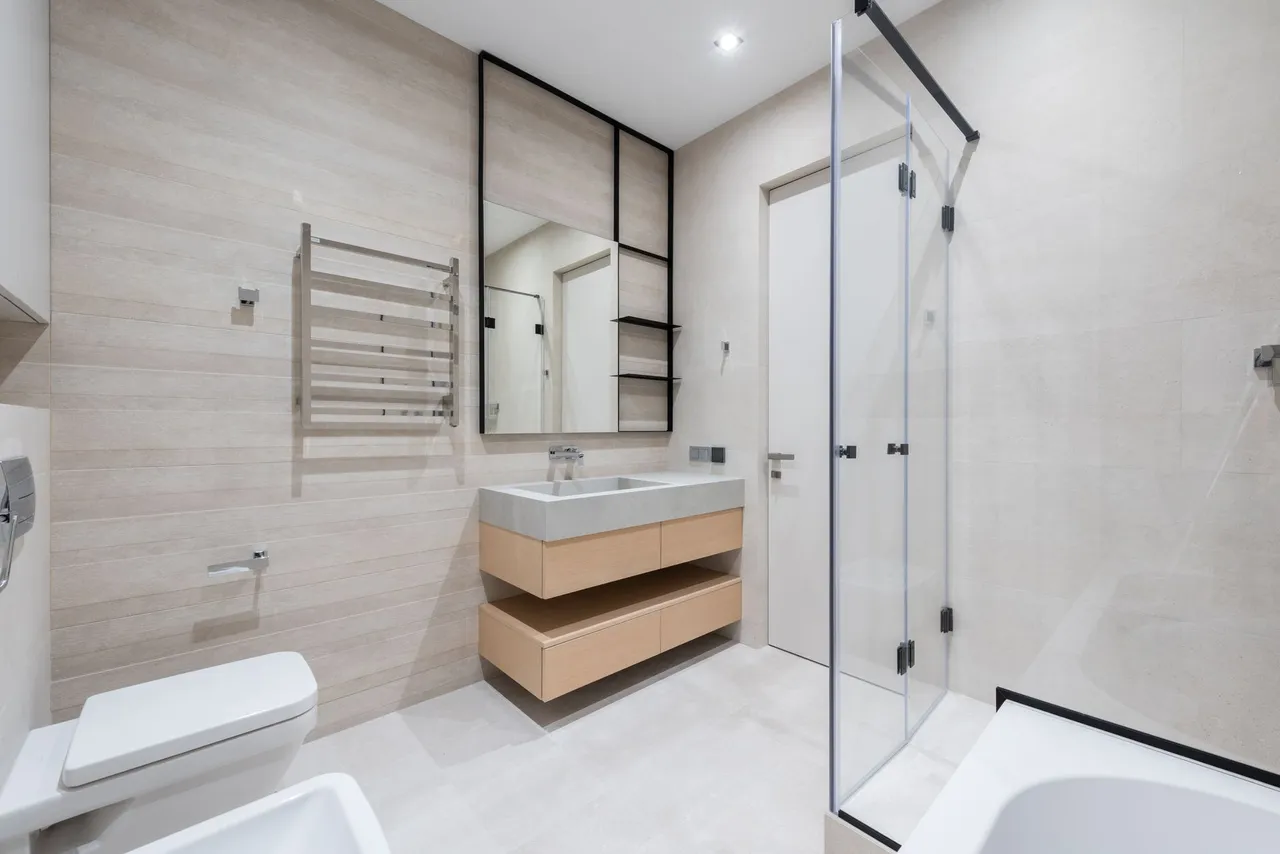
What most people want to know before replacing a shower screen
Shower screen replacement is one of the more contained bathroom upgrades you can make — but it still raises questions about product choices, what trades are involved, and how to get a useful quote. This guide walks through the practical details so you can walk into a conversation with a contractor prepared rather than guessing.
The short answer: replacing a shower screen typically involves a glazier for the screen itself and may require a licensed plumber if any waterproofing or waste connections are disturbed. If the job is part of a broader bathroom renovation, a licensed builder is usually needed to coordinate the work.
Understanding the difference between a repair and a replacement
Not every shower screen problem calls for full replacement. A cracked panel, a seized hinge, or a corroded aluminium frame are sometimes repairable depending on the product range and how widely that system is still manufactured. However, frameless and semi-frameless screens use hardware that becomes discontinued, and sourcing matching components years after installation can be difficult.
Full replacement tends to make more sense when:
- The frame profile is heavily corroded or bowed and creating a waterproofing risk
- The existing screen style no longer suits a bathroom being partially updated
- Safety glass has been chipped at the edge (edge damage can compromise structural integrity over time)
- The existing screen is an older framed design and you want to upgrade to a more open frameless configuration
If you’re unsure which category your screen falls into, describing the problem clearly when you request a quote will help the contractor advise you before they arrive.
Screen types and what distinguishes them
Shower screen products fall into a few broad categories. Understanding the differences helps you have a more productive specification conversation.
Framed screens use an aluminium perimeter frame bonded and screwed to tiles or the substrate. They are generally lower cost and easier to seal but can show corrosion over time, particularly at the bottom track where water and soap residue accumulate.
Semi-frameless screens have a framed top and side rail but no bottom track, which makes cleaning easier and gives a slightly more open look.
Frameless screens use thicker toughened glass with minimal or no aluminium profile. The result is a cleaner visual and simpler cleaning routine, but the glass and hardware are more expensive and the installation requires precise wall surfaces — if your tiles or substrate are not plumb, the installation becomes more complex.
Sliding versus pivot versus hinged: Sliding doors suit smaller bathrooms where the door swing would encroach on the vanity or toilet. A pivot or hinged door opens outward and suits larger floor plans. Some frameless designs use a fixed panel plus hinged door, which works well in alcoves.
Glass thickness: Frameless screens typically use thicker toughened glass than framed equivalents. Thicker glass is heavier, which affects the wall fixings and substrate requirements.
What the installation scope actually involves
A screen replacement is not always a plug-and-play swap. Depending on your bathroom’s condition and the new product chosen, the scope can include:
- Removal and disposal of the existing screen and any associated silicone seals
- Assessment of the tile or substrate condition behind the old frame (the perimeter seal often hides deterioration)
- Re-sealing or localised waterproofing if the wall substrate behind the old screen shows moisture damage
- New fixing into tiles and potentially into the wall stud or substrate behind
- Re-siliconing around the new frame perimeter
If the shower tray or base is also being replaced as part of this work — or if waste trap access is involved — a licensed plumber will need to be part of the project. CBS South Australia advises that major bathroom renovation projects need a builder with a licence permitting project coordination; plumbing work specifically requires an appropriately licensed plumber. Checking that any contractor proposed for your job holds the right licence for the scope of work is straightforward through the CBS licence register.
For a broader bathroom update that includes a new screen, see the Walk-in shower planning questions guide for layout and waterproofing considerations.
Asbestos awareness in older Adelaide bathrooms
If your home was built before the mid-1980s, the substrate materials behind your bathroom tiles or in the ceiling above the shower may contain asbestos-containing materials. The South Australian asbestos guidance is clear that visual appearance alone is not a safe way to identify whether a material contains asbestos — only testing by a qualified assessor can confirm this.
Before any renovation work that involves disturbing wall substrate or ceiling materials in an older bathroom, it is worth raising the question of an asbestos assessment with your contractor before work begins. A contractor experienced in older Adelaide homes should be able to advise on this step as part of scoping the job.
Ventilation considerations when upgrading your shower
A new screen — particularly a more enclosed frameless design — changes the airflow within the shower enclosure. If your existing exhaust fan was sized around an older framed screen with gaps, a more airtight frameless installation may increase condensation on walls and ceilings over time. The Australian Government’s YourHome resource notes that bathroom exhaust should discharge outdoors, and that ventilation interacts with airtightness in managing moisture.
If you are replacing a screen and you’ve noticed condensation issues in the past, it is worth asking your contractor whether the ventilation arrangement suits the new enclosure configuration. This is a question for the tradesperson rather than something to resolve through the screen product specification alone.
A hypothetical scenario: what a quote conversation might cover
The following is a hypothetical scenario to illustrate useful questions, not a real customer account.
Imagine a homeowner in an older Adelaide suburb wants to replace a heavily corroded framed alcove screen with a frameless alternative. Before requesting a quote, they note:
- The home was built in the 1970s (asbestos assessment question relevant)
- The existing screen is in an alcove with walls that appear plumb
- The shower base is staying; only the screen is changing
- The existing exhaust fan is ceiling-mounted and discharges into the roof cavity, not outdoors
Useful questions they would raise with a contractor:
- Do you need to assess what’s behind the existing frame before quoting a fixed price?
- Is the substrate condition included in the quote scope or treated as a provisional sum?
- Does the frameless option require any additional wall fixing or substrate work?
- Can you advise on whether the ventilation discharge needs correcting as a separate item?
Understanding that building contracts can distinguish prime cost items from provisional sums helps consumers ask the right questions about what is included in a quoted price versus what is an estimate subject to variation once work begins.
Preparing to request a quote
A useful quote for shower screen replacement needs enough information to be meaningful. Before contacting a contractor, it helps to have:
- Photos of the existing screen from multiple angles, including the frame condition and surrounding tiles
- Measurements of the opening width and height (noting whether the opening is consistent top to bottom)
- Notes on the substrate — tiled alcove, tiled wall to a half-height, fibrous cement sheeting, or rendered masonry
- Clarity on scope — screen only, or screen plus any associated waterproofing, tiling or base work
- A rough product preference — framed, semi-frameless, or frameless — so the contractor knows whether to quote one option or several
For broader renovation scope questions, the Ensuite renovation cost questions guide covers how to structure a quote request across multiple trades.
When you’re ready to connect with a bathroom renovation contractor in Adelaide, you can request a project enquiry through the site.
Further reading
- Walk-in shower planning questions
- Ensuite renovation cost questions
- Ensuite layout planning
- Small ensuite storage ideas
- SA Government — Choosing a building professional
- CBS South Australia — Always use a licensed plumber
- Asbestos SA — Find and identify asbestos in the home
- Australian Government YourHome — Condensation
Discuss your project
This guide helps prepare questions; it is not a site assessment, design specification or professional approval. Read about ensuite renovations in adelaide before making a project enquiry.