
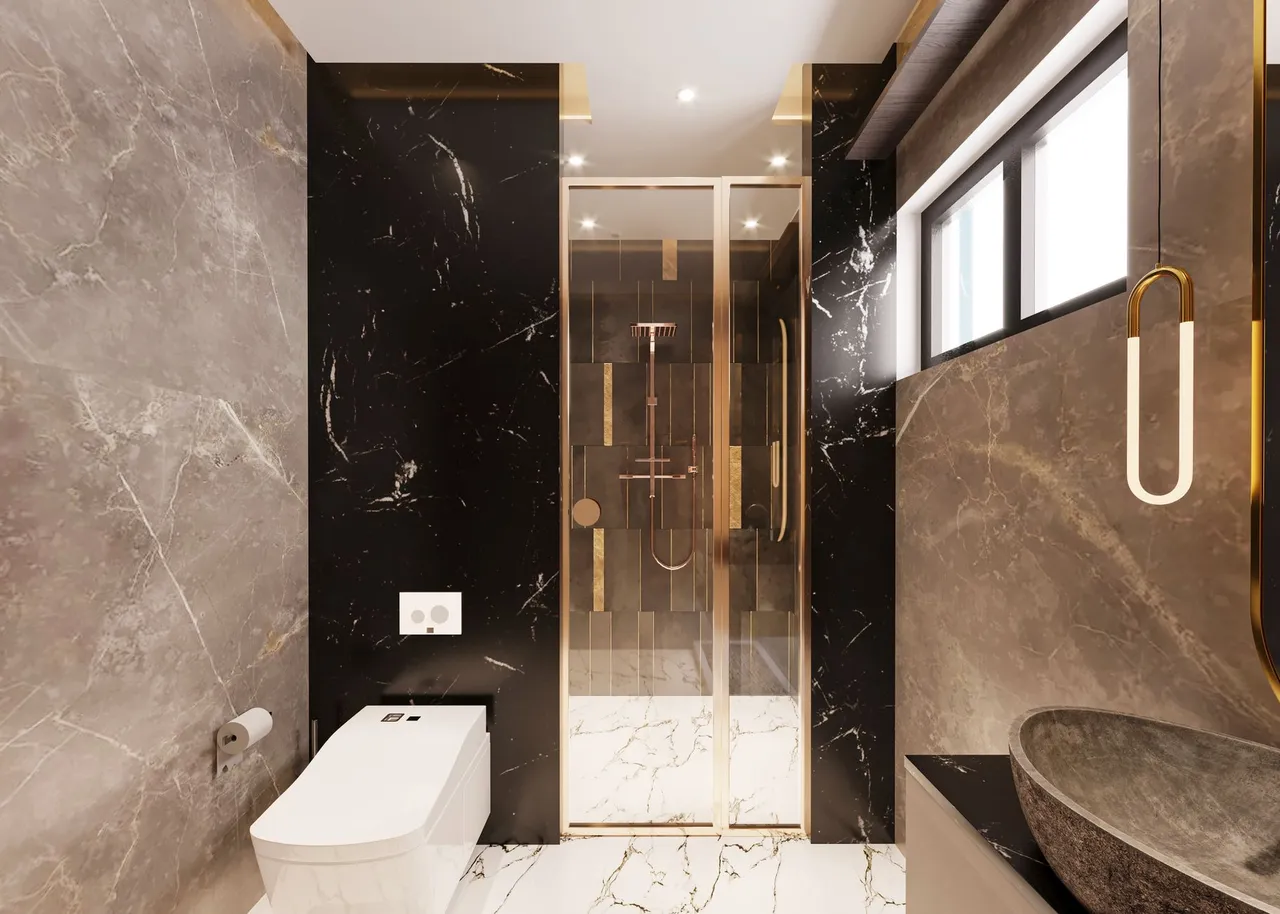
Choosing bathroom tiles that actually work for your space
The right bathroom tiles balance slip resistance, moisture durability, visual scale and long-term cleaning practicality. For Adelaide homeowners, the tile selection process works best when you understand the basic criteria before meeting with a tiler or bathroom renovator – so you spend the consultation asking sharp questions rather than starting from scratch on the showroom floor.
Why physical samples matter more than screen images
Tile photography is shot under controlled studio lighting that rarely matches your bathroom’s actual light source. A large-format grey porcelain that photographs as cool and contemporary can read as cold and flat under a south-facing skylight or warm under downlights with a high colour rendering index.
Before committing to any tile, ask the supplier for an actual sample or full tile where available. A small image cannot establish how a product will look across the intended wall or floor. Take the sample home and:
- Hold it against your planned vanity cabinet or benchtop finish in both daytime and evening light
- Wet the surface and observe the colour shift (tiles often darken when wet, which can alter the mood of a shower recess significantly)
- Check the textured surface with a fingernail to gauge how much grout dirt it will hold over time
- Place it flat on the floor if it is a floor tile, then apply light pressure with a bare foot to test comfort and grip feel
This is also the stage to compare the tile’s actual surface finish against its technical classification. Floor tiles in wet areas such as shower bases and bathroom floors should carry an appropriate slip-resistance rating – your tiler can explain which ratings apply to your specific installation, since floor gradient, underfoot traffic and footwear all influence the practical outcome.
Understanding tile size and layout coordination
Tile size affects the perception of room dimensions and directly influences labour complexity. Larger tiles mean fewer grout lines, which many homeowners find easier to clean, but they also require a more precisely prepared substrate because any undulation in the floor or wall becomes visible at the edges of a large format tile.
Small mosaic tiles on a shower floor can follow a curved or gradient surface more easily, but the increased grout line density means more surface area for mould to colonise if ventilation is inadequate.
Before finalising your tile sizes, consider how the layout will interact with your fixtures:
- Wall tiles and the vanity zone: A horizontal tile course that falls mid-mirror or mid-cabinet creates an awkward visual cut. Sketch the wall elevation with rough tile dimensions to anticipate where cuts will land.
- Floor-to-wall continuity: Using the same tile on floor and wall can extend a small bathroom visually, but it demands accurate setting-out from day one. Your installer’s experience with the specific format matters here.
- Shower niche positioning: Niches need to align with tile rows, both vertically and horizontally. Settling niche dimensions and positions before tiling starts avoids messy cuts or mismatched grout lines.
If you are planning an ensuite at the same time, the ensuite layout planning guide covers how fixture placement and room geometry interact – useful context before you lock in a tile grid.
Coordinating tiles with a bathroom vanity and other finishes
The bathroom vanity is typically the visual anchor of the room. Its cabinet colour, door profile, benchtop material and tapware finish all create a tonal and textural context that your tiles need to complement or deliberately contrast.
A hypothetical scenario: imagine a mid-grey matte wall tile selected independently from the vanity cabinetry. When the oak-veneer cabinet arrives on site, the tile reads as cold and clashes with the warm timber undertone – a mismatch that neither the tile nor the cabinet would have caused alone. This kind of problem is preventable when samples of all major finishes are compared together before ordering.
Practical coordination questions to ask your renovator:
- What grout colour do you recommend given this tile and cabinet combination?
- Will the tapware finish (matte black, brushed nickel, chrome) need to be confirmed before the tile layout is finalised?
- Does the benchtop edge profile influence how the splashback tile is set?
Moisture, ventilation and tile longevity
Tiles themselves are largely impervious to moisture. The grout lines, adhesive bed and substrate behind the tiles are not. Poor bathroom ventilation accelerates grout degradation, promotes mould growth and can cause adhesive failure over time.
Condensation occurs when moisture-laden air meets a cooler surface, and bathrooms generate significant moisture with every shower or bath. Adequate exhaust ventilation that discharges outdoors – not into a ceiling cavity – is a key factor in how long your tile installation performs without maintenance issues. This is a decision that involves both your builder and a licensed plumber or electrician depending on the exhaust system involved.
If your Adelaide home was built before the mid-1980s, bathroom wall and ceiling materials may need assessment for asbestos before renovation work disturbs them. Visual identification alone is not a reliable method – a professional assessment is recommended before any disturbance takes place.
Care information: what different finishes actually require
Tile finish dictates cleaning effort more than colour does. Here is a plain comparison:
| Finish | Routine clean | Harder tasks | Watch out for |
|---|---|---|---|
| Polished porcelain | Damp cloth, pH-neutral cleaner | Soap scum builds quickly | Shows water spots; needs squeegeeing in showers |
| Matte/satin porcelain | Damp cloth, mild spray cleaner | Textured surface traps fine grit | Needs occasional scrub to prevent dullness |
| Glazed ceramic | Standard bathroom spray | Grout lines attract mould | Glaze can chip at edges under impact |
| Natural stone (sealed) | Stone-safe pH-neutral cleaner | Re-sealing periodically | Acidic cleaners (vinegar, citrus) damage the surface |
| Mosaic glass | Streak-free glass cleaner | Grout density means frequent attention | Heavily textured grout lines on floor mosaics |
Ask your tile supplier for the manufacturer’s care instructions and actual warranty terms for the tile and any surface treatment being proposed. Ask it to explain restrictions or exclusions rather than assuming that a particular cleaner automatically determines your warranty rights.
Provisional sums and tile allowances in quotes
Bathroom renovation quotes often include a provisional sum or prime cost item for tiles, meaning the quote covers installation labour and preparation but sets a nominal figure for the tile material itself. The final material cost adjusts when you select an actual product.
Building contract documentation can distinguish between prime cost items and provisional sums, and consumers are entitled to clear written explanations of what each allowance covers. If a quote you receive is unclear on this point, ask your builder to explain which line items are fixed and which are subject to change based on your tile selection. Checking that your builder holds the licence appropriate for the scope of work is straightforward through Consumer and Business Services South Australia.
Questions to prepare before your consultation
Arranging a bathroom renovation through a referral service connects you with local contractors, but the conversation about tiles is ultimately between you and the tiler or renovator. Coming prepared makes it more productive:
- What is the substrate behind the current tiles, and does it need replacement or waterproofing remediation?
- For floor tiles, what slip-resistance outcome are you targeting and how does the tile I am considering perform?
- How will expansion joints be incorporated, and where will they fall visually?
- What is the expected grout cure time before the shower can be used?
- Are there any existing structural or substrate conditions in my home that I should know about before work begins?
For broader budget and scope planning, the ensuite renovation cost questions guide and the walk-in shower planning questions guide cover the consultation questions most homeowners wish they had asked earlier.
Ready to discuss your project? Request a project enquiry to connect with bathroom renovators servicing Adelaide.
Further reading
- SA Government – Choosing a building professional
- Consumer and Business Services SA – Always use a licensed plumber
- Asbestos SA – Find and identify asbestos in the home
- Australian Government YourHome – Condensation
Discuss your project
This guide helps prepare questions; it is not a site assessment, design specification or professional approval. Read about ensuite renovations in adelaide before making a project enquiry.